
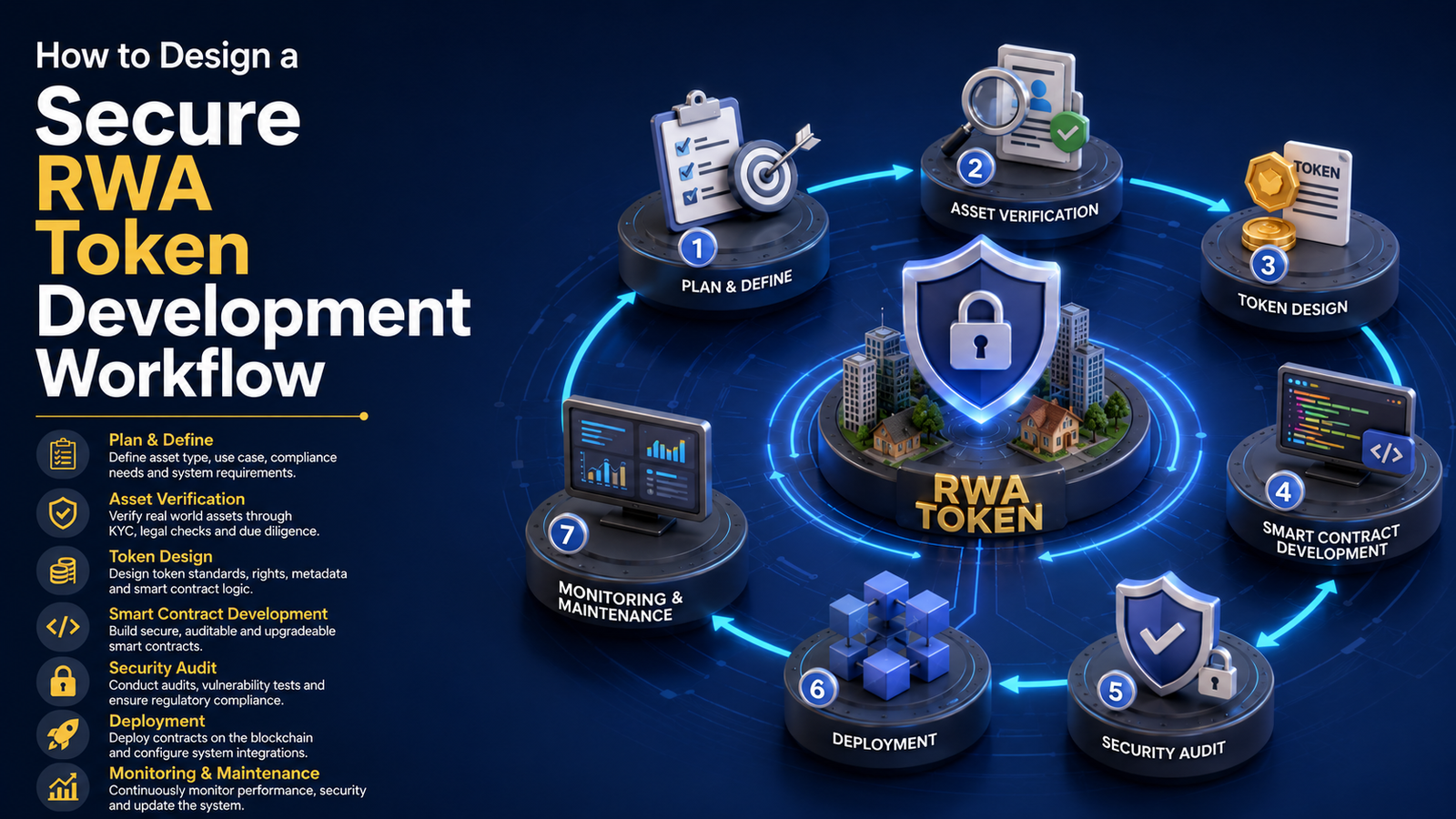
How to Design a Secure RWA Token Development Workflow
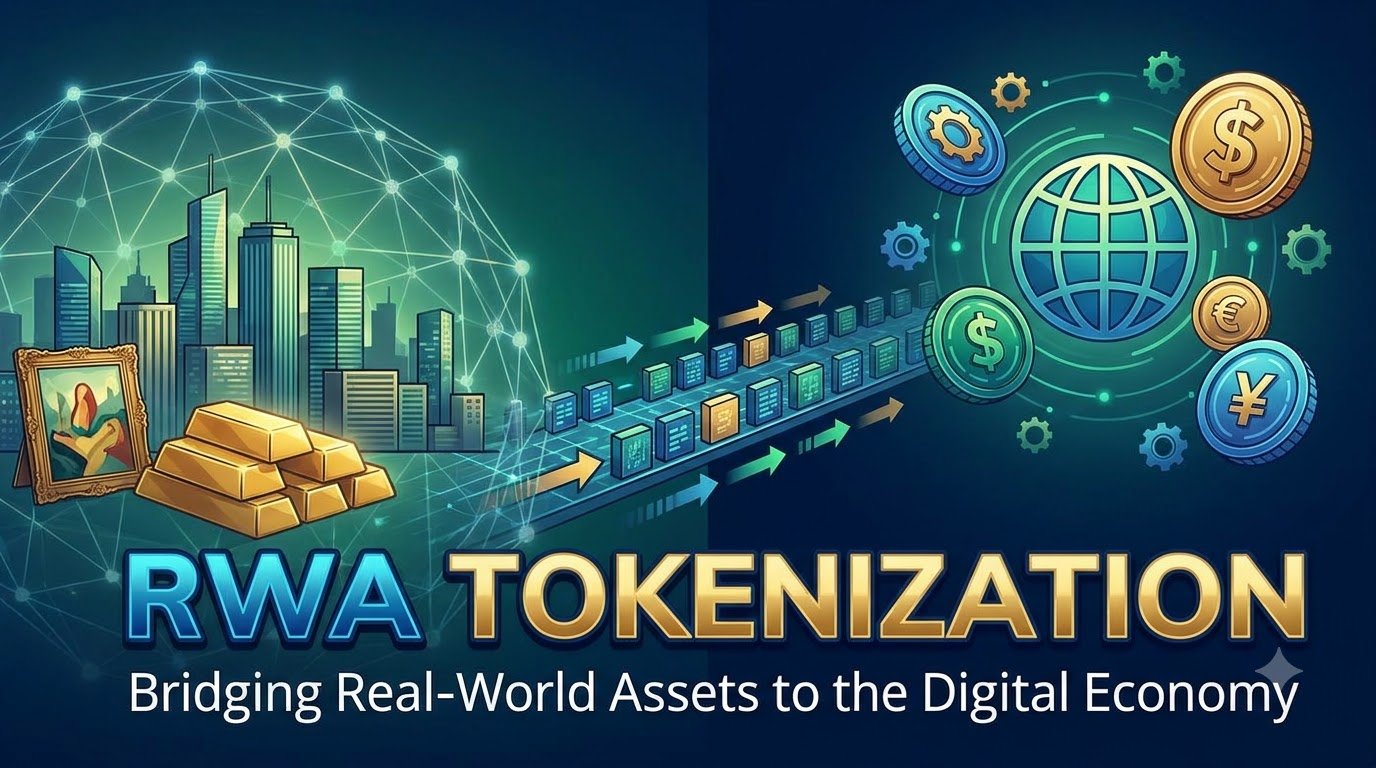
The growing interest in blockchain has encouraged businesses to digitize physical and financial assets through tokenization. From real estate and commodities to invoices, artwork, and investment funds, many asset classes are now entering blockchain ecosystems. While this approach offers better asset management and wider investor participation, security remains one of the most important factors throughout the development process.
A secure workflow is not limited to writing smart contracts. Every stage, including asset verification, legal planning, token design, platform architecture, testing, compliance, and ongoing monitoring, contributes to the overall reliability of the project. Missing even one step can expose the platform to financial, technical, or regulatory risks.
Organizations planning RWA token development should follow a structured process that protects both the underlying assets and the digital tokens representing them. This article explains practical methods for designing a secure workflow while discussing the technical, legal, and operational considerations involved in Real World Asset Tokenization.
Understanding the Purpose of a Secure Workflow
Before beginning development, it is important to understand what security means in tokenization. Security covers more than preventing cyberattacks. It also includes protecting ownership records, verifying asset authenticity, maintaining regulatory compliance, and safeguarding investor data.
Whether a business is working independently or with an RWA Tokenization Company, every decision made during planning influences the security of the final product. A structured workflow minimizes errors, improves documentation, and reduces operational risks throughout the asset lifecycle.
Since physical assets and blockchain networks operate in different environments, the workflow should establish reliable connections between off-chain records and on-chain tokens.
Method 1: Verify the Asset Before Development Begins
Every secure workflow starts with accurate asset verification. Tokenizing an asset without confirming ownership or legal status may result in future disputes.
Businesses should collect documents such as:
- Ownership certificates
- Valuation reports
- Legal agreements
- Tax records
- Regulatory approvals
- Insurance documents, where applicable
Independent valuation and legal verification add another level of confidence before any token creation begins.
During this phase, many organizations work with Real World Asset Tokenization Services to review documentation and prepare digital records suitable for blockchain integration.
Method 2: Define Regulatory Requirements Early
Compliance should be addressed before writing a single line of code.
Different countries classify tokenized assets differently. Some may consider them securities, while others may classify them as investment products or digital assets.
A compliance review normally includes:
- KYC requirements
- AML procedures
- Investor eligibility
- Securities regulations
- Data privacy obligations
- Tax reporting standards
Including legal professionals during planning helps reduce the need for expensive modifications later.
Many businesses beginning RWA Tokenization development include compliance specialists alongside developers to avoid conflicts between technical implementation and legal obligations.
Method 3: Design a Controlled Token Model
The token model determines how ownership will be represented on-chain.
The development team should define:
- Token standard
- Ownership structure
- Fractional ownership rules
- Transfer permissions
- Voting rights
- Revenue distribution
- Asset redemption process
Every rule should match legal documentation governing the physical asset.
Businesses involved in RWA Token Development often choose permission-based token transfers where only verified investors can participate.
This reduces compliance risks while maintaining better control over asset ownership.
Method 4: Plan Secure Smart Contract Architecture
Smart contracts execute every transaction within the ecosystem. Poor coding practices increase the likelihood of vulnerabilities.
A structured smart contract architecture usually separates different responsibilities into individual contracts.
For example:
- Asset management contract
- Token issuance contract
- Investor management contract
- Payment distribution contract
- Administrative control contract
Keeping these responsibilities separate makes auditing easier and limits the impact of individual contract failures.
An experienced RWA tokenization development company generally follows modular architecture because updates become easier without affecting unrelated components.
Method 5: Implement Multi-Level Access Controls
Not every participant should receive identical permissions.
Different user groups may include:
- Platform administrators
- Asset managers
- Compliance officers
- Investors
- Auditors
Each role should receive limited permissions according to operational responsibilities.
Administrative functions such as minting tokens, freezing accounts, or updating asset records should require additional approval mechanisms.
Multi-signature authorization reduces the possibility of unauthorized administrative actions.
This practice is commonly recommended during RWA tokenization platform development because operational mistakes often create greater risks than external attacks.
Method 6: Secure Data Between On-Chain and Off-Chain Systems
Physical asset information usually cannot remain entirely on blockchain networks.
Large files such as legal contracts, valuation reports, photographs, inspection records, and compliance documents are generally stored off-chain.
The workflow should define:
- Secure storage methods
- Encrypted communication
- Data verification procedures
- Backup policies
- Access permissions
Hash values stored on the blockchain help verify that off-chain documents remain unchanged after upload.
This combination improves document integrity while avoiding unnecessary blockchain storage costs.
Method 7: Include Independent Smart Contract Audits
Internal testing alone is rarely sufficient.
Independent auditors review:
- Contract logic
- Security vulnerabilities
- Gas optimization
- Permission management
- Token economics
- Upgrade mechanisms
Audits often identify issues that internal teams overlook.
Security reviews should occur before deployment and after significant updates.
Organizations using RWA tokenization development services generally schedule audits before launching production networks and after introducing new platform features.
Method 8: Perform Comprehensive Security Testing
Security testing should extend beyond smart contracts.
Complete platform testing includes:
Penetration Testing
Simulates attacks against web applications, APIs, wallets, and infrastructure.
Load Testing
Measures platform behavior under heavy transaction volumes.
API Security Testing
Reviews communication between blockchain services and external applications.
Wallet Security Testing
Checks authentication methods, signing processes, and transaction validation.
Infrastructure Testing
Reviews servers, databases, cloud environments, and monitoring systems.
Each testing phase helps identify weaknesses before users begin interacting with the platform.
Method 9: Protect Private Keys and Administrative Wallets
Private key management remains one of the most sensitive areas of blockchain development.
Recommended practices include:
- Hardware Security Modules
- Multi-signature wallets
- Cold storage
- Access logging
- Periodic credential rotation
- Restricted administrator privileges
Losing administrative keys may permanently affect platform operations.
Organizations offering RWA Tokenization Services often establish dedicated operational procedures for wallet management to reduce human error.
Method 10: Prepare Monitoring and Incident Response Procedures
Security work continues after deployment.
The workflow should include continuous monitoring for:
- Suspicious wallet activity
- Failed transactions
- Smart contract events
- Login attempts
- Infrastructure performance
- Compliance alerts
When unusual activity appears, predefined incident response procedures should explain:
- Investigation steps
- Temporary restrictions
- Communication plans
- Recovery procedures
- Reporting responsibilities
Well-documented response plans reduce downtime and improve operational consistency.
Method 11: Build Secure Investor Onboarding
Investor onboarding directly affects platform security.
Registration should include:
- Identity verification
- Risk assessment
- Document validation
- Wallet verification
- Regulatory screening
Only verified participants should receive permission to purchase or transfer tokenized assets.
Automated verification systems combined with manual review improve data quality without compromising compliance.
Method 12: Plan Upgrade Procedures Carefully
Blockchain applications continue evolving after launch.
The workflow should define how updates will occur without interrupting investor ownership.
Planning usually includes:
- Version management
- Smart contract migration
- Rollback procedures
- Data migration
- User notifications
- Audit before release
Every update should follow documented testing procedures before production deployment.
Careful release planning reduces operational disruptions.
Method 13: Maintain Complete Documentation
Documentation often receives less attention than development, yet it supports every stage of platform management.
Useful documentation includes:
- Architecture diagrams
- Smart contract specifications
- Compliance reports
- Security policies
- API documentation
- Operational procedures
- Audit reports
- Asset verification records
Complete documentation also simplifies future maintenance and regulatory inspections.
Businesses working with an RWA Tokenization Company frequently request detailed documentation as part of project delivery.
Method 14: Review Business Risks Alongside Technical Risks
Technical security alone cannot protect a tokenization platform.
Business risks should also be evaluated regularly.
Examples include:
- Asset value fluctuations
- Regulatory changes
- Liquidity limitations
- Third-party dependency
- Insurance coverage
- Operational disruptions
Risk assessments should be updated periodically as market conditions change.
This practice supports long-term platform management rather than focusing only on initial deployment.
Method 15: Establish Ongoing Compliance Reviews
Regulations surrounding digital assets continue to change across different jurisdictions.
Periodic compliance reviews help identify:
- New reporting obligations
- Updated investor requirements
- Licensing changes
- Data protection updates
- Financial reporting expectations
Routine legal assessments reduce the likelihood of future compliance issues.
Organizations involved in Real World Asset Tokenization should consider compliance as a continuous activity instead of a one-time requirement.
Best Practices for a Secure Development Workflow
A secure workflow becomes more effective when technical, legal, and operational teams collaborate throughout development rather than working independently.
Some practical recommendations include:
- Verify assets before token creation.
- Document every development stage.
- Conduct independent smart contract audits.
- Apply role-based permission management.
- Protect private keys with enterprise-grade security.
- Monitor blockchain activity continuously.
- Review compliance requirements regularly.
- Maintain detailed operational documentation.
- Test the complete platform before production deployment.
- Schedule periodic security assessments after launch.
Following these practices creates a more organized development process while reducing operational and security risks.
Conclusion
Designing a secure workflow for RWA token development requires careful planning from asset verification to long-term platform management. Every stage, including legal validation, smart contract design, compliance, testing, access control, and monitoring, contributes to a reliable tokenization ecosystem. Businesses should approach security as an ongoing responsibility rather than a single development milestone. Working with experienced professionals helps reduce technical and operational risks throughout the project lifecycle. Blockchain App Factory provides Real World Asset Tokenization Services that assist organizations with secure planning, compliant development, smart contract implementation, auditing, and deployment for businesses entering the digital asset market.
FAQs
1. What is the first step in RWA token development?
The first step is verifying the ownership, legal status, valuation, and documentation of the physical asset before beginning token creation or blockchain integration.
2. Why are smart contract audits important in RWA Tokenization?
Smart contract audits identify coding issues, permission errors, and security vulnerabilities before deployment, reducing the risk of financial losses or operational problems.
3. How does compliance affect Real World Asset Tokenization?
Compliance determines how tokenized assets can be issued, transferred, and managed according to regional regulations covering KYC, AML, securities laws, and investor protection.
4. Why is role-based access control recommended during RWA tokenization platform development?
Role-based permissions limit administrative functions to authorized users, reducing accidental changes and unauthorized activities within the platform.
5. How often should security reviews be performed after launch?
Security reviews should be conducted regularly after major software updates, regulatory changes, infrastructure modifications, and periodic operational assessments to maintain platform reliability



0 Comments